Djibouti Ports Corridor Road SA
DPCR SA connects Djibouti's world-class port infrastructure to the hinterland and neighbouring countries, strengthening the country's geostrategic position at the southern gateway to the Red Sea.
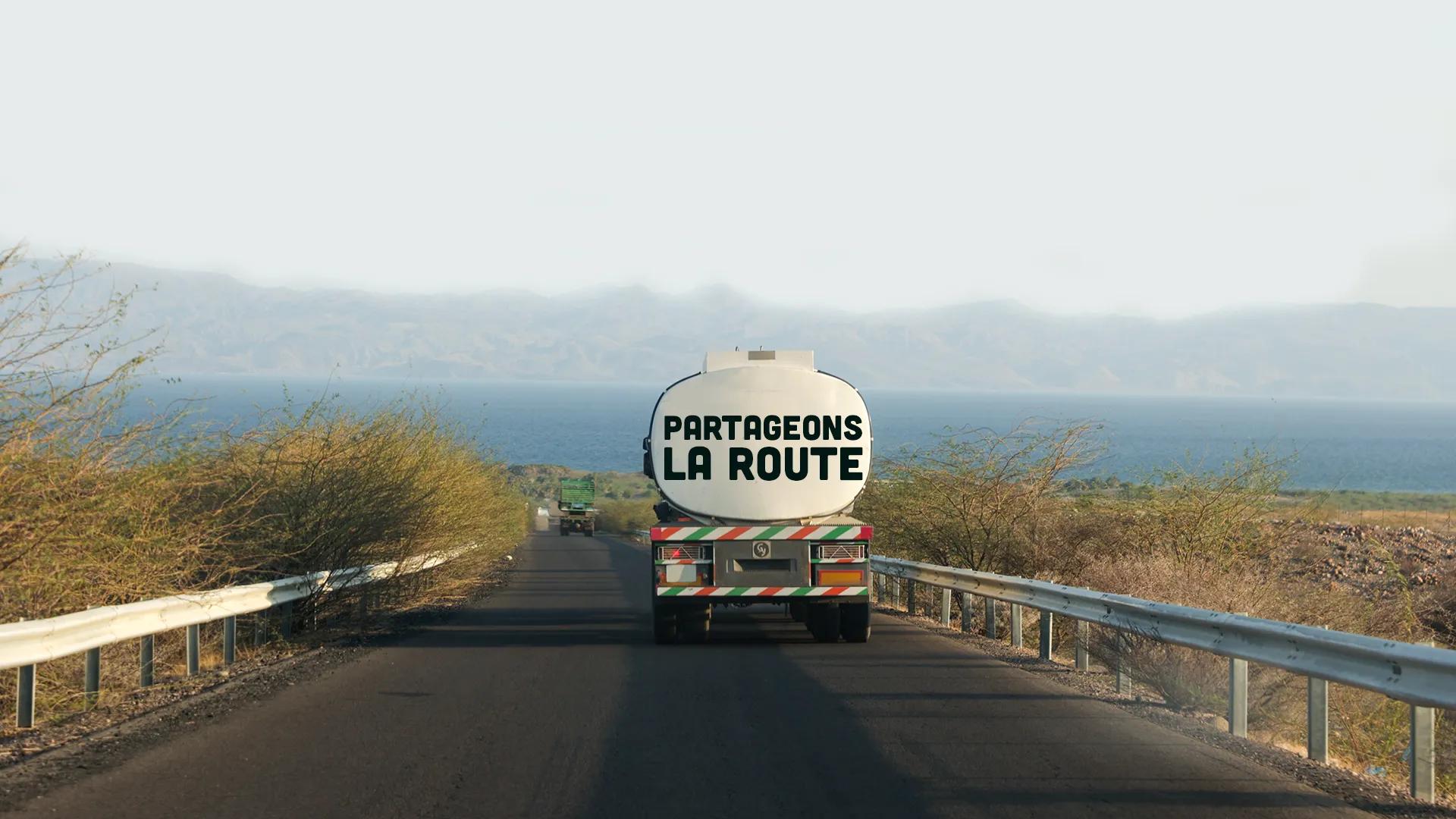
642 km
of road network managed by DPCR SA
7
key regional corridors: RN1, RN2, RN5, RN9, RN11, RN17, RN19
90%+
of Ethiopian traffic transits through Djibouti
2,000
trucks per day (outbound and inbound)
DPCR at a glance
01
DPCR SA plays a key role in connecting Djibouti's world-class port infrastructure to the hinterland and neighbouring countries. By efficiently linking the ports, inland regions and border posts, DPCR SA strengthens the country's geostrategic position at the southern gateway to the Red Sea and actively contributes to regional integration and economic growth.
02
To ensure road safety and operational efficiency, DPCR SA works closely with the National Gendarmerie, in particular its Road Safety Squadron, as well as with other public institutions. These collaborations encourage the sharing of best practices and enable a joint response to the challenges facing the network.
03
DPCR SA manages an extensive road network covering seven key corridors: RN1, RN2, RN5, RN9, RN11, RN17 and RN19. This network forms the backbone of overland logistics and facilitates trade and movement between Djibouti and its regional partners.
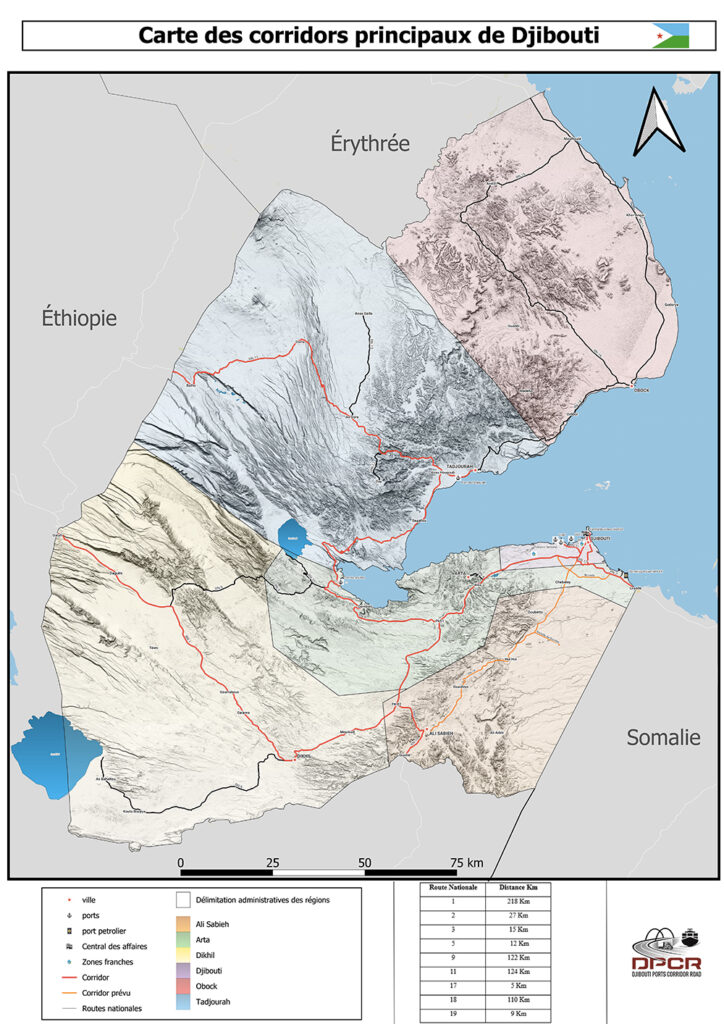
Roads managed by DPCR SA
Distribution and length of roads
Network management
Seven key corridors — RN1, RN2, RN5, RN9, RN11, RN17 and RN19 — form the backbone of overland logistics between Djibouti and its regional partners.
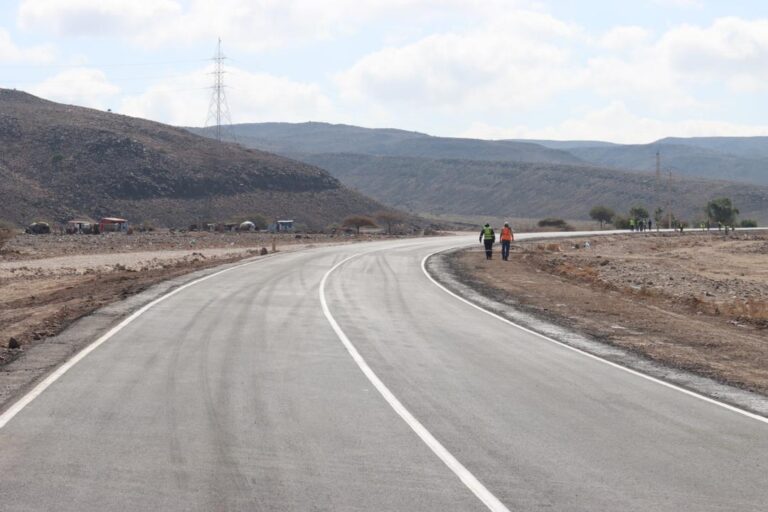
Djibouti – Galafi – Ethiopia
Carries more than 90% of trade with Ethiopia.
Supports 100% of heavy goods vehicles on some sections.
Serves DMP, SGTD, Horizon, DIFTZ and the other free zones.
Completed projects: Doudoubalala – Dikhil and Doudoubalala – Ali-Sabieh.
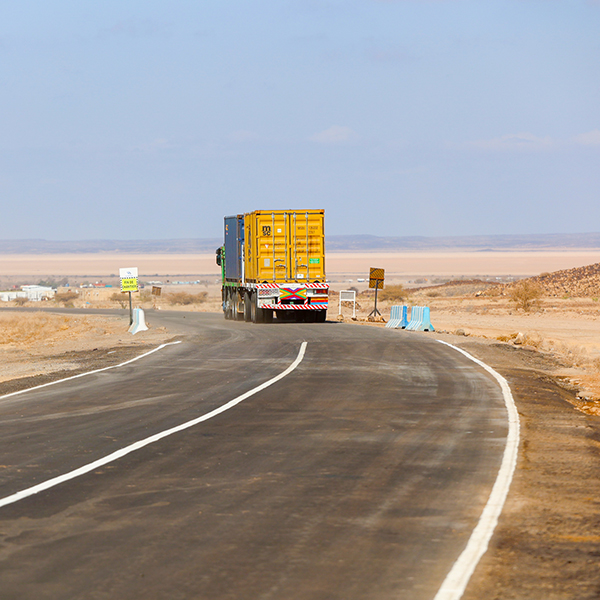
Djibouti – Somalia link
The RN2 and its junction with the RN17 create a vital link between the ports of Djibouti and Somalia via the Loyada border.
Facilitates the movement of goods and people between the two countries.
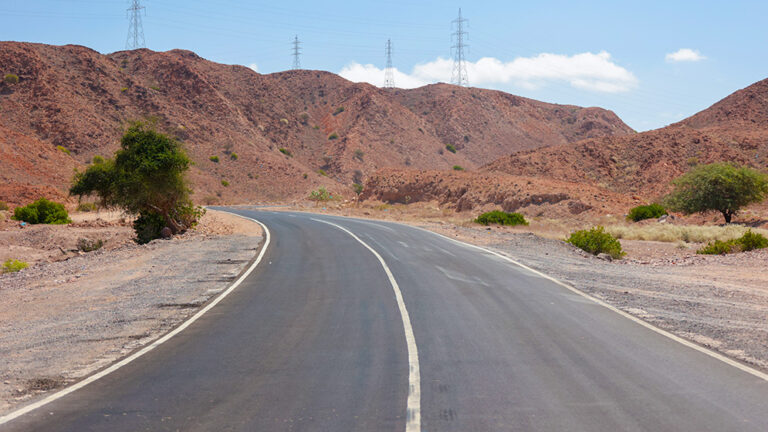
Inland link
DPCR completed the RN5 upgrade project in partnership with a local SME.
Smoother traffic flow and support for the local economy.
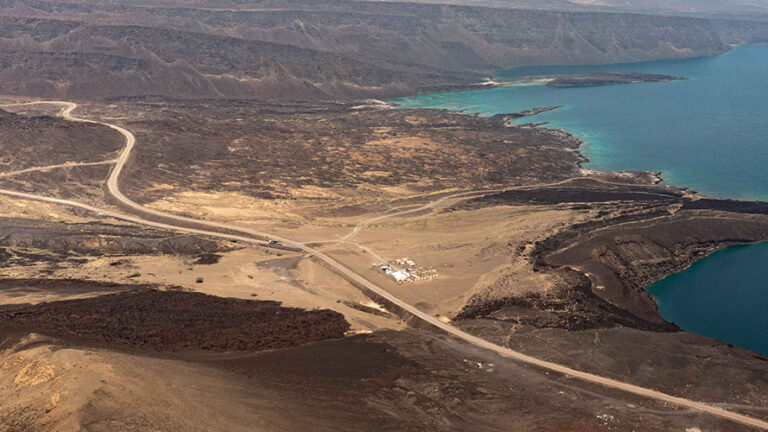
Northern corridor
The RN9 links Djibouti to the port of Tadjourah via PK51.
The RN11, recently built and in excellent condition, links the port of Tadjourah to Ethiopia via the Balho border.
A direct northern route that significantly improves the efficiency of trade and transport in the Horn of Africa.
Our missions
Mission 01
We modernise our existing roads by widening and resurfacing carriageways, installing effective drainage and improving signage.
We stimulate economic growth by fostering regional economic partnerships, encouraging public-private collaboration in infrastructure and attracting investment in the transport sector.
We are committed to strengthening regional connectivity by identifying key trade routes, bringing regional stakeholders together around infrastructure and seeking public and private funding.
Mission 02
To reduce travel times, we rely on digitalisation for seamless border management. We promote transport efficiency through regional agreements and cooperation between border authorities.
Our goal is to stimulate economic growth by taking part in regional initiatives, developing public-private partnerships in infrastructure and attracting foreign direct investment in the transport sector.
Mission 03
We work to reduce accidents and road deaths by setting and enforcing traffic regulations.
We keep our roads safe through rigorous measures and by building a high-performing road network that serves Djibouti's economic growth.
To strengthen emergency response, DPCR SA has signed a partnership agreement with the Mobile Emergency and Resuscitation Service (SMUR).

“We will cross the continent, from the Red Sea to the Atlantic Ocean; a land bridge.”
Aboubaker Omar Hadi
Chairman — DPFZA, GHIH and DPCR SA
Traffic and growth
Traffic has grown steadily over the past five years.
Heavy congestion between PK13 and Arta due to the mix of transport modes.
≈ 2,000
trucks per day (outbound and inbound)
6:00 – 12:00 and 16:00 – 19:00
peak hours on the network
40 – 60 km/h
annual average speeds recorded by radar
50% → 90%+
heavy goods vehicles at PK30, rising to more than 90% beyond the town of Dikhil on the RN1
Road infrastructure projects
Major rehabilitation and reconstruction works carried out on strategic routes to improve safety, traffic flow and the durability of road infrastructure.
14
projects delivered
5
ongoing projects
A
Ongoing
The first phase of the project is complete. Work is continuing on a new section and is at an advanced stage: pavement upgrades, reinforced drainage systems and enhanced road safety measures.
B
Ongoing
A project to modernise urban road infrastructure, making travel easier and reducing vehicle wear.
C
Ongoing
Works at several strategic points to make the infrastructure more resilient to severe weather and improve stormwater management.
D
Ongoing
This link aims to ease logistics traffic between the ports of Djibouti and the main road corridors, optimising the transport of goods.
E
Ongoing
Ongoing works on several sections to improve regional connectivity, reduce vehicle wear and strengthen road safety.
We work closely with small and medium-sized enterprises based near the corridors on our maintenance and rehabilitation projects.
Local roots
Boosting the local economy
In-depth knowledge of the territory
Lower logistics costs
Stronger relationships
Spotlight on the RN18 project
Not yet built — seeking funding
The RN18 project is a major infrastructure initiative designed to strengthen regional connectivity, streamline cross-border trade and relieve congestion on the RN1, the main trade route between Djibouti and Ethiopia. It is part of Djibouti's Vision 2035.
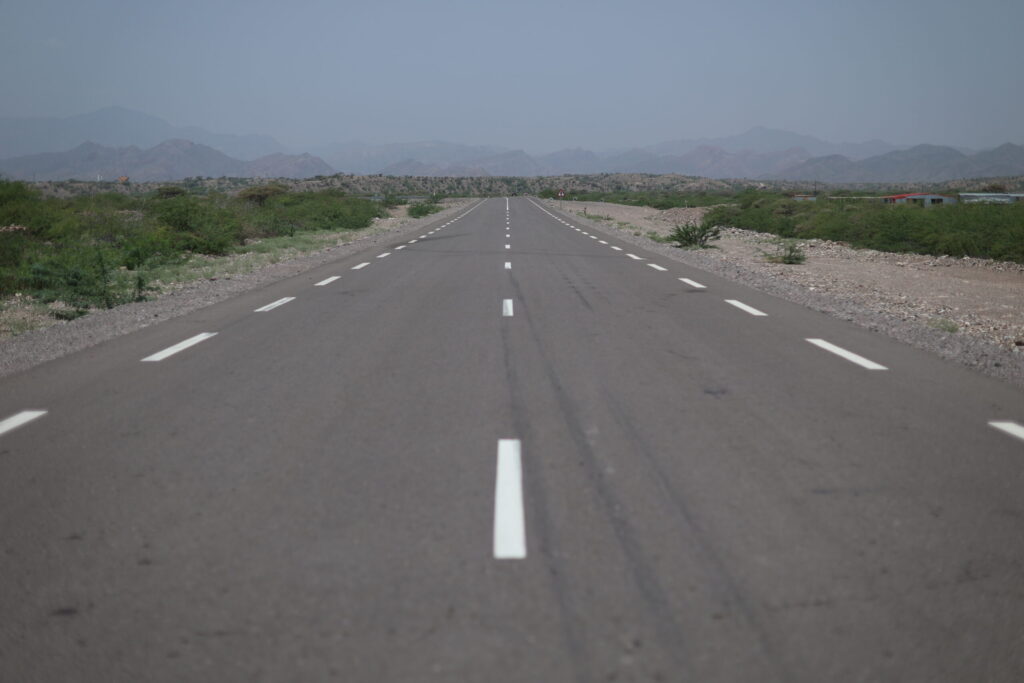
154.5 km
saved: 681 km via the RN1 reduced to 526.5 km
USD 150.2 M
estimated total cost (USD)
70 km
Chabelley – Ali Sabieh section to be upgraded
Vision 2035
aligned with Djibouti's national strategy
1
Turning a dirt track (4 to 5 m wide) into a modern road and creating a key trade link between the port of Djibouti and Ethiopia.
2
Connecting the RN1, RN18 and RN2 to improve traffic flow, with an underpass beneath the railway and a bridge over the Ambouli wadi.
3
Direct access to the new Bicidley airport, improving airport logistics and passenger transport.
4
A new alternative route to reduce dependence on the RN1 and improve access to economic and industrial zones.
Preliminary and detailed studies: 100% complete.
Tender documents finalised: 100%.
Funding being finalised with international partners, including the World Bank, the AfDB and AFREXIMBANK.
Next steps: launch of tenders and start of works.
Innovation
Road Safety 2.0
Djibouti Ports Corridor Road SA, in partnership with the Djiboutian National Gendarmerie, has launched a digital system to modernise the management of traffic offences and road accidents. Processing is now 100% digital.
Recording of traffic offences
Monitoring of road accidents
Processing of penalties (fines and administrative measures)
Faster, more reliable processing
Centralised, secure data
Better coordination between stakeholders
Goal: to improve safety on our roads for the long term.
Smart transport
Introduction of a state-of-the-art digital payment platform for road user charges, moving to electronic money to simplify payments and set a new standard of service quality in the transport infrastructure sector.
Integrating AI to improve road corridor management, combining its capabilities with our expertise to optimise operations and inform decision-making, turning infrastructure projects into large-scale solutions.
Deployment of an RFID-based intelligent transport system with enhanced traffic monitoring, real-time flow tracking and a freight exchange that best matches the supply of available trucks with demand.
Partnerships
Three joint initiatives developed with the institutions that work alongside us on the corridors.
With
National Gendarmerie — Road Safety Squadron
Mobile Emergency and Resuscitation Service (SMUR)
Public institutions and corridor stakeholders
01
Strengthening partnerships between institutions to protect people and property.
Regulating the transport of hazardous materials through robust safety measures.
02
Identifying risks with the Road Safety Squadron of the National Gendarmerie.
Applying demanding design standards, emergency plans and targeted training.
Building the skills of stakeholders to reduce and control risks.
03
Developing a common approach to the challenges of climate change.
Cooperating to keep traffic moving and assist drivers during floods.
News

Pavement, drainage systems and enhanced road safety measures.
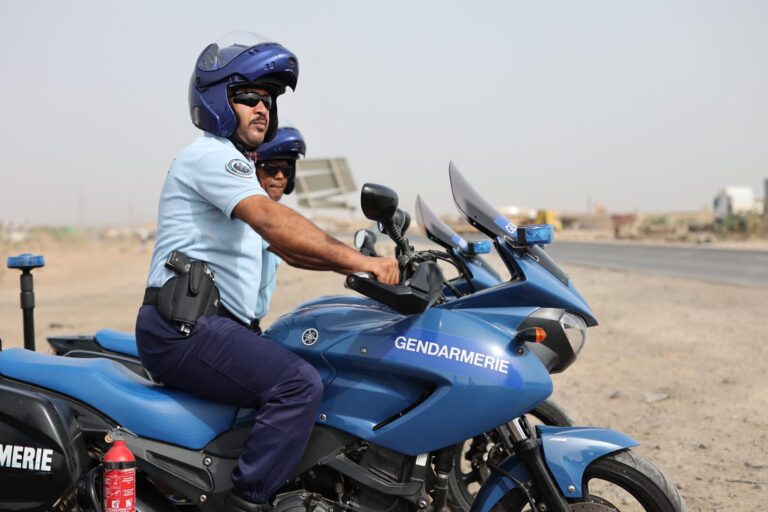
Recording of offences, accident monitoring and penalties, now 100% digital.
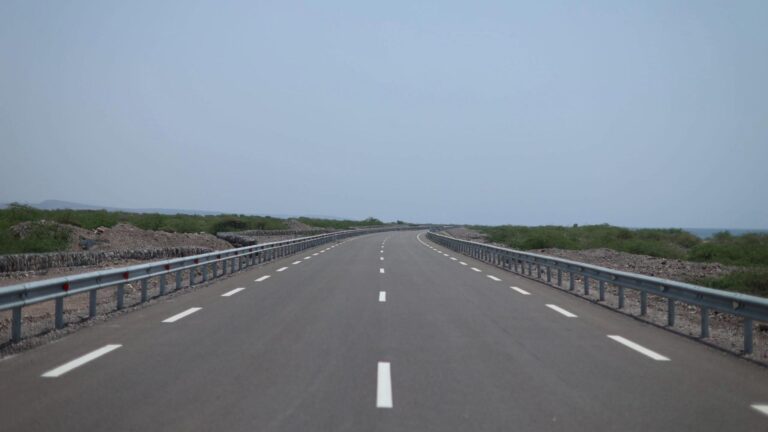
Funding being finalised with the World Bank, the AfDB and AFREXIMBANK.
Institutional, technical and financial partners
World Bank
AfDB

AFREXIMBANK

National Gendarmerie

SMUR
DPFZA
Contact
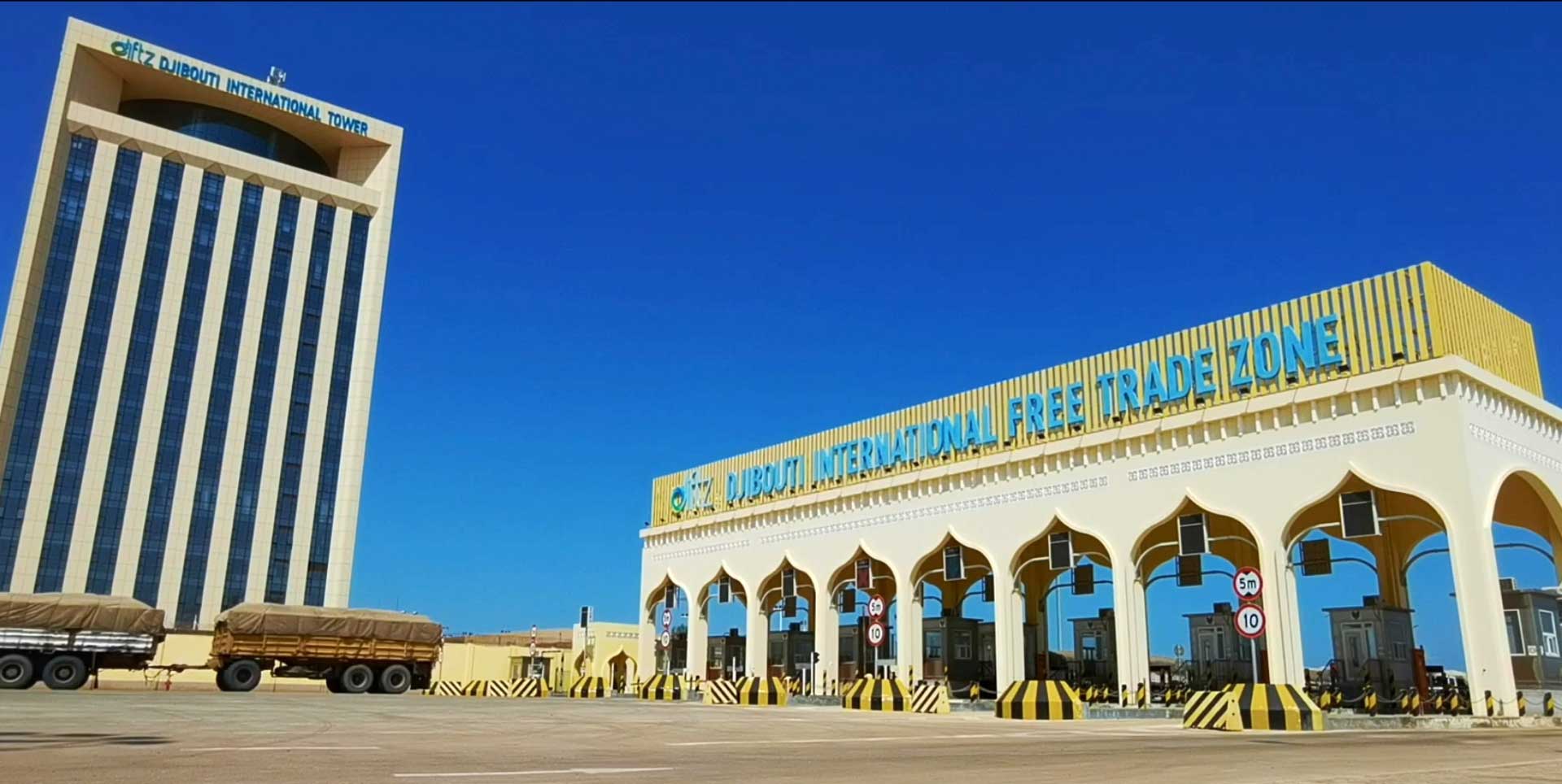
4th floor, DIFTZ Tower, PK23, Djibouti
Facebook @dpcr.dj · X @PortCorridor · YouTube @DPCRSA · LinkedIn @Djibouti Ports Corridor Road SA
The RN18 project is much more than a road: it is vital infrastructure for economic growth and regional integration.
Finalise funding agreements and mobilise partners.
Launch tenders and select construction companies.
Ensure rigorous monitoring of works for optimal delivery.